
Did you ever discover something crazy that your customer was doing with your solution? Something that undermined the very value you were delivering? I built a concierge-level virtual conference service that was designed to be “always-on”. For our customers, this meant that whenever they wanted to use it, day or night, it would be available to them. We had invested in creating an operations team that could ensure the up time we were promising. We even had insight into our customer’s scheduled use so that we could do our software updates around their schedule rather than asking them to adhere to our maintenance schedule. It was a networked service, so the more it was used, the more value it delivered to all customers (similar to the Internet, where more people meant more content, and therefore more value).
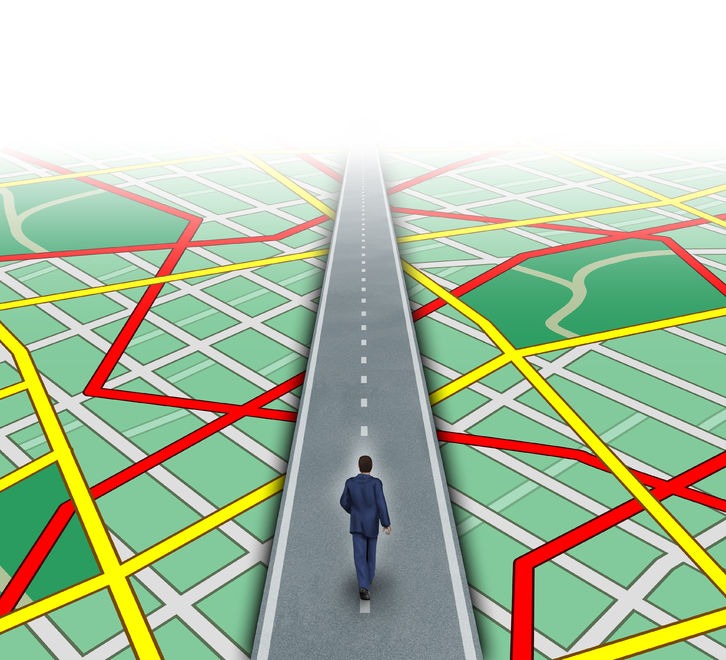 While the executives who invested in and were using the solution understood the value proposition, their administrators did not. They only blocked out time on the schedule for the solution during the times the executive was in the office. This kept it for the executive’s exclusive use, whether he or she was using it or not. But this kept others in the organization from using it (which defeated the point) and lowered the networked value of their system. The administrators fought for a regular maintenance schedule so they knew when not to schedule the executive’s use. For them, “always-on” was a marketing message and they didn’t believe it actually worked that way. And it was all our fault.
While we had carefully designed the solution to work for the executive’s use model, we had not considered the total journey for their business. The business’s use journey started at the terms in the service level agreement we put in place, through internal scheduling and promotion, configuration, usage rules, etc. There were many people involved in the journey, not just the executive. There was IT, facilities, procurement, administration, leadership staff and more. So though we had carefully crafted a use experience, it got lost along the way.
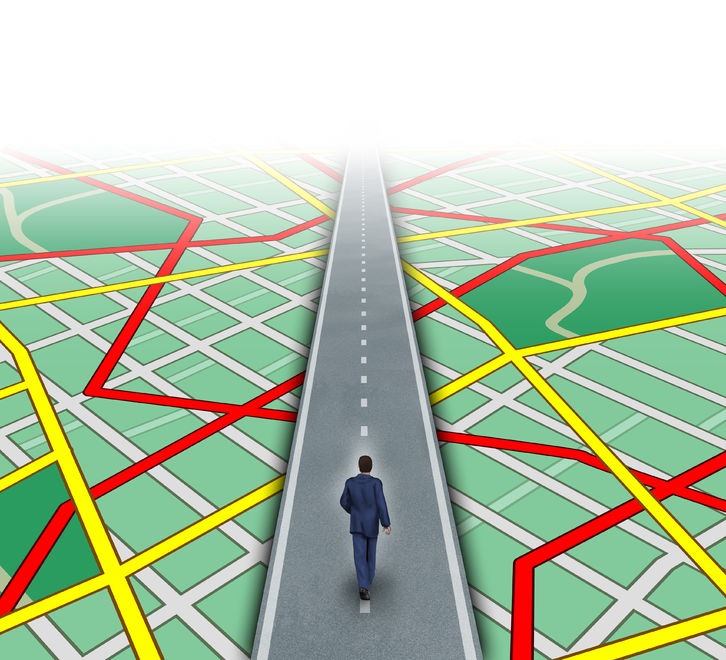
Mapping Our Customer’s Journey
Creating effective journey maps starts with understanding how your customers actually do things, not how you think they should do them. Certainly if your solution offers them a better way, simple and delightful, they will shift. But if you don’t map out the entire journey, you might miss an important function that renders your solution unusable. You might also miss the low points in their journey where you can add value. Solving these pain points is where you can shine and differentiate, creating an enjoyable experience for your customers that your competitors cannot match.
Like what you’re reading? Click here to subscribe to our weekly blog, sent directly to your inbox.
Every time I make a detailed map of my customer’s journey I’m surprised by the things I missed. Collecting enough customer interviews and capturing the nuances of their journey is hard work. The first few times I wondered whether it would be worth the effort. Yet what I discovered always caused me to shift, to focus my solution on a need that was not being met. If it was an external product this approach always increased my revenue potential. If it was an internal project, this approach made it easier to adopt, reducing costs. In short, journey mapping unveiled sources of growth for my business.
Using Journey Mapping to Discover New Sources of Value
Journey mapping is more art than science. Collaboration is key. It is always better to have several different people, ideally from different functions, conduct the customer interviews and then partner to capture the journey. Use the following steps to start to build your journey maps:
1. Select a customer role based on the task they are trying to achieve. Capture what emotional and functional success means to them as they complete that task (see Job-To-Be-Done post for more information on capturing customer tasks)
2. View their journey beyond just your solution. Start at the beginning of their task and describe each step from their perspective. What are they actually doing at each step?
3. Capture highs and lows they encounter at each step. What do they enjoy about this step? What work arounds or pain points do they encounter?
4. Note any slight variations that different customers take. If one customer does things completely different than all the others, capture a separate journey map just for them – this is your outlier, and might show a proven better way that you can leverage.
5. What do they do after they complete the task? Look for other ways you can contribute to their success.
Try to create a journey map for several different customer tasks, even those that are on the fringe of where your solution plays. Then step back, take a closer look at those highs and lows. What are some simple ways you could minimize the lows and accentuate the highs? Are there particularly painful steps that you could eliminate all together?
Journey maps allow you to see not only how you can make your current solution better, they also help you develop a suite of products in areas that no one else is paying attention to. They start to create a wealth of stories your team will use over and over as they design solutions.
What do you think – where have you found that journey mapping contributes to your business success?
2 Responses